
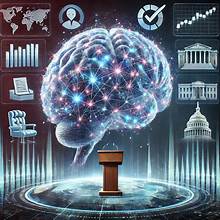
This chapter examines the convergence of psycho-politics, neuro-politics, and technocratic governance as the new architecture of power in the digital age. It details how psychological insights and neuro-technologies, amplified by big data and AI, are increasingly used to influence behavior and shape public opinion, often bypassing rational deliberation. These tools serve a technocratic model of governance where technical efficiency, driven by experts and algorithms, can supplant democratic participation. The chapter highlights the profound ethical alarms this raises, including threats to personal autonomy, mental privacy (“cognitive liberty”), and the very authenticity of the self. Arguing that the true common good must serve the integral development of the person, not just systemic efficiency, it proposes that a robust theological anthropology is our most crucial compass. It calls for a defense of the “inner citadel” of human consciousness, grounded in the principles of human dignity and freedom.





 Theology and Historical Reality
Leave a comment